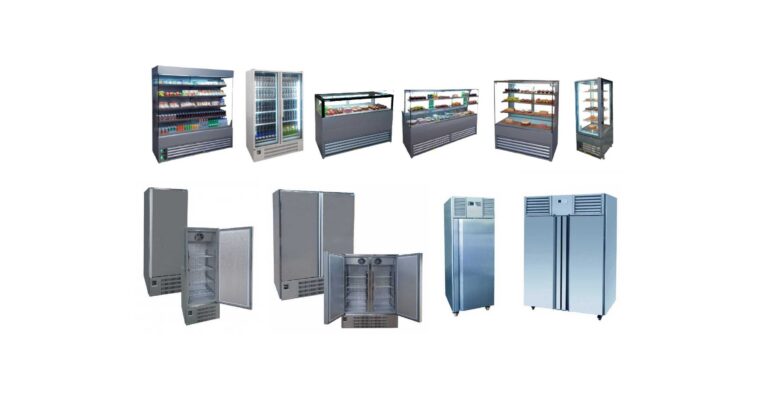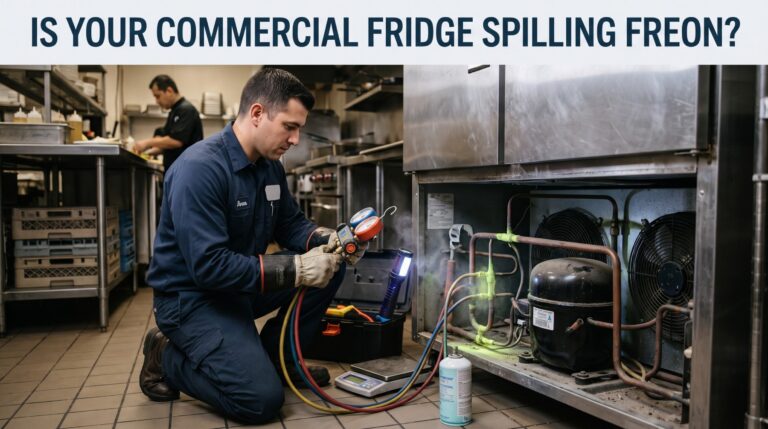
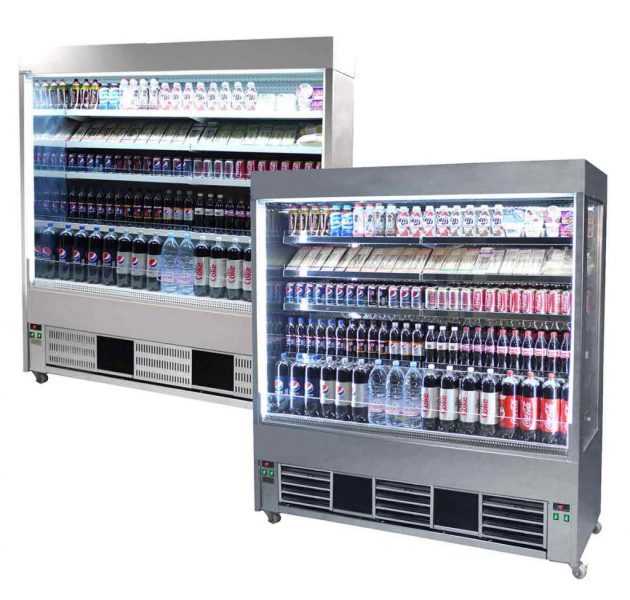
Commercial display fridges work hard to maintain consistent temperatures, particularly in busy commercial kitchens and retail environments. They must withstand high ambient temperatures while continually recovering their internal temperature every time the door is opened. Without proper maintenance and care, this can affect cooling performance, increase energy consumption and, most importantly, compromise food safety.
Is your commercial fridge or freezer struggling to stay cold? There are several simple but effective ways to improve its cooling performance, maintain consistent temperatures and keep your refrigeration equipment running efficiently.
Why Commercial Refrigeration Is So Important
Commercial fridges and freezers are often the unsung heroes of a professional kitchen. Running continuously, day and night, they are among the most heavily used pieces of equipment in any food business. Yet, despite their importance, refrigeration is often overlooked when it comes to routine maintenance.
When planning a commercial kitchen, attention is often focused on ovens, cookers, extraction systems and other prominent equipment. Refrigeration, on the other hand, is frequently treated as a purely functional purchase rather than an essential investment.
However, imagine trying to run a busy kitchen without reliable refrigeration. From storing fresh ingredients and prepared meals to keeping perishable food at safe temperatures, commercial refrigeration plays a vital role in everyday operations.
Whether you run a busy restaurant, manage a commercial kitchen or simply need reliable refrigeration for food storage, a well-maintained fridge or freezer is essential. Anyone who has experienced an unexpected refrigeration breakdown will understand just how quickly food storage can become a serious problem.
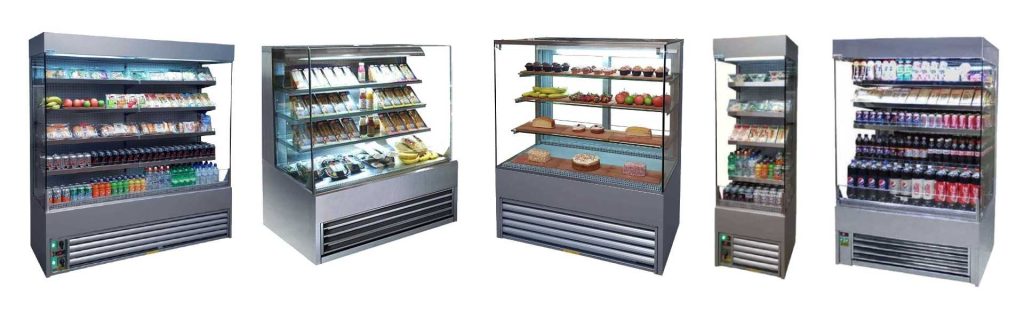
Don’t Adjust the Temperature Controller Unnecessarily
If the internal temperature of your display fridge starts to rise, your first instinct might be to turn down the temperature controller to make it colder. However, if the fridge is already set between 1°C and 4°C, adjusting the controller is unlikely to solve the underlying problem.
Turning the temperature setting down won’t necessarily make the fridge cool faster. The problem could be caused by poor ventilation, dirty condenser coils, blocked air vents or frequent door openings.
Instead of continually adjusting the temperature controller, investigate the cause of the temperature increase. Check that the condenser is clean, airflow is unrestricted and the doors are closing properly.
Top tip: Keep the temperature controller at the manufacturer’s recommended setting. If the fridge cannot maintain the correct temperature, investigate the cause rather than simply turning the dial down.
Keep the doors shut
It may seem like a small detail, but frequently opening and closing the fridge door is one of the biggest causes of temperature fluctuations in commercial refrigeration.
Every time the door opens, warm air enters the cabinet and cold air escapes. This forces the refrigeration system to work harder to bring the internal temperature back down.
To minimise temperature fluctuations:
- Only open the door when necessary: Avoid repeatedly opening the fridge to check stock or retrieve individual items.
- Close the door promptly: Never leave the door open longer than necessary, and avoid propping it open.
- Use individual doors where possible: If your display fridge has multiple doors or stable-style doors, only open the section you need.
- Check the door seals: Damaged, worn or loose seals can prevent the door from closing properly, allowing cold air to escape.
- Replace damaged seals: Keep door seals in good condition to maintain an effective airtight closure and maximise cooling efficiency.
Top tip: If your fridge door doesn’t close properly on its own, inspect the hinges and door seals. Replacing worn seals can help prevent cold air loss, reduce unnecessary strain on the refrigeration system and maintain consistent temperatures.
Keep the Air Filters and Condenser Clean
Commercial kitchens are often filled with airborne grease, steam, dust and other particles. Over time, these contaminants can build up around the refrigeration system, restricting airflow and reducing cooling efficiency.
Many commercial display fridges and freezers are fitted with filters to help prevent dirt and grease from reaching critical internal components. However, these filters can quickly become clogged if they are not cleaned regularly.
A blocked filter restricts airflow, forcing the refrigeration system to work harder to maintain the required temperature. If left unattended, this can lead to overheating, poor cooling performance and potentially expensive repairs.
Fortunately, regular cleaning is usually straightforward:
- Locate the air filter: Refer to the manufacturer’s instructions to find the filter and check how it can be accessed.
- Remove accumulated dirt: Use a soft brush or vacuum cleaner to remove dust and debris.
- Check for grease build-up: In commercial kitchens, filters may need more frequent cleaning due to airborne grease.
- Inspect the filter: Check for damage and replace it if necessary.
- Reinstall correctly: Make sure the filter is clean, dry and securely fitted before restarting the equipment.
Top tip: Check your filters regularly and clean them as recommended by the manufacturer. In particularly busy or greasy kitchen environments, more frequent cleaning may be necessary.
Watch the video below to see how simple it is to clean your refrigeration filter and help keep your display fridge running efficiently.

Avoid Overloading Your Display Fridge
Overfilling your commercial fridge or freezer can significantly affect its cooling performance. When too many products are packed tightly together, cold air cannot circulate freely around the cabinet, making it harder for the refrigeration system to maintain a consistent temperature.
Keeping your fridge organised and allowing sufficient space between products helps maintain effective airflow and ensures that everything is kept at the correct temperature.
Here are a few simple ways to improve storage and airflow:
- Avoid overfilling: Leave enough space between products to allow cold air to circulate.
- Keep air vents clear: Never block internal air outlets or return vents with food, packaging or stock.
- Organise your stock: Arrange products neatly so they are easy to locate and retrieve.
- Rotate stock regularly: Use older products first and avoid unnecessary build-up of stored items.
- Consider additional refrigeration: If your fridge is constantly at full capacity, it may be worth investing in an additional display fridge, storage refrigerator or commercial cold room.
Top tip: A well-organised fridge doesn’t just improve airflow; it also makes stock easier to access, reducing the time the doors remain open and helping to maintain consistent internal temperatures.
Keep Your Fridge Away from Heat Sources
The surrounding temperature can have a significant impact on how efficiently your commercial display fridge operates. If your fridge is positioned in an unusually hot area, the refrigeration system will have to work harder to maintain the correct internal temperature.
Where possible, consider relocating the fridge to a cooler, better-ventilated area. This may be easier than removing all the food and stock from the cabinet to deal with persistent temperature problems.
When positioning your commercial refrigeration equipment, keep the following points in mind:
- Avoid heat-producing equipment: Keep fridges and freezers away from deep-fat fryers, ovens, cookers and chargrills.
- Allow adequate ventilation: Ensure there is sufficient space around the refrigeration unit for heat to escape, following the manufacturer’s installation guidelines.
- Avoid direct sunlight: Where possible, position display fridges away from windows and other sources of direct heat.
- Consider relocating the unit: If the surrounding area is consistently hot, moving the fridge to a cooler location may improve its cooling performance.
- Check the manufacturer’s requirements: Make sure the new position meets the specified ambient temperature and installation requirements.
Top tip: Always consider the surrounding environment when installing a commercial display fridge. Positioning it away from cooking equipment and allowing adequate ventilation can reduce strain on the refrigeration system, improve efficiency and help maintain consistent temperatures.
Allow Hot Food to Cool Before Refrigerating
Placing large containers or full gastronorm trays of hot food directly into a commercial fridge can have a significant impact on its cooling performance. The heat released by freshly cooked food can quickly raise the internal cabinet temperature, forcing the refrigeration system to work much harder to bring it back down.
It can also create food safety risks if other stored products are exposed to temperatures outside their safe limits.
A better approach is to use a commercial blast chiller to rapidly reduce the temperature of freshly prepared food before transferring it to refrigerated storage.
Here are a few important points to remember:
- Use a blast chiller: Rapidly cool freshly cooked food before transferring it to your storage fridge.
- Avoid introducing large quantities of hot food: Adding too much warm stock at once can overwhelm the refrigeration system.
- Monitor food temperatures: Always follow applicable food safety cooling procedures and temperature requirements.
- Maintain good food storage practices: Keep chilled food covered appropriately and avoid overcrowding containers.
Choose the Right Climate Class for Your Kitchen
Not all commercial fridges are designed to operate in the same environmental conditions. One important factor to consider when purchasing refrigeration equipment is its climate class, which indicates the ambient temperatures the appliance is designed to operate in.
Two common classifications for commercial refrigeration are Climate Class 4 and Climate Class 5.
- Climate Class 4: Designed to operate in ambient temperatures of up to 30°C. Suitable for many standard commercial kitchens and catering environments.
- Climate Class 5: Designed to operate in ambient temperatures of up to 40°C. Better suited to hot, demanding commercial environments where refrigeration equipment is exposed to higher surrounding temperatures.
If your kitchen regularly reaches temperatures above 30°C, or your fridge is constantly struggling to maintain its internal temperature, a Climate Class 5 cabinet may be a more suitable choice.
Top tip: Always check the manufacturer’s stated climate class before purchasing a commercial display fridge. Choosing equipment designed for your kitchen’s operating environment can improve reliability, cooling performance and long-term efficiency.
Keep Your Commercial Fridge Clean and Well Maintained
Keeping your commercial fridge at the correct temperature is essential for food safety, but regular cleaning and maintenance are equally important.
Dirt, grease and food debris can build up over time, affecting airflow, reducing cooling efficiency and placing unnecessary strain on the refrigeration system. A clean, well-maintained fridge is more likely to operate efficiently, helping to reduce energy consumption and prevent avoidable breakdowns.
To get the most out of your refrigeration equipment, regular cleaning should form part of your maintenance routine.
For more detailed advice, take a look at our How to Clean a Commercial Fridge guide, which explains the best ways to keep your refrigeration equipment clean and hygienic.
The video below also covers the basics of commercial refrigeration maintenance, including practical steps to improve efficiency, reduce running costs and extend the operational lifespan of your equipment.
Organise Your Commercial Fridge and Freezer Regularly
If you run a busy restaurant, bar, café or commercial kitchen, organising your refrigeration equipment probably isn’t always at the top of your daily to-do list. However, taking the time to organise your commercial fridge and freezer at least once a month can make a significant difference to its performance and efficiency.
A poorly organised fridge can restrict airflow, make products harder to find and cause staff to leave doors open for longer than necessary. This forces the refrigeration system to work harder, potentially increasing energy consumption, maintenance requirements and the risk of premature component failure.
Food safety should always be a priority for any food or drink business. Keeping your refrigeration equipment clean, organised and properly stocked helps you maintain hygiene standards and protect the quality of stored products.
Regularly reviewing your fridge layout can also bring several additional benefits:
- Improve food safety: Store products correctly and maintain appropriate storage temperatures.
- Improve airflow: Arrange stock to allow cold air to circulate freely throughout the cabinet.
- Increase staff efficiency: Make products easier to locate, reducing the time doors remain open.
- Reduce food waste: Keep track of stock, rotate products and use older items first.
- Lower operating costs: Help your refrigeration system operate efficiently by avoiding unnecessary strain.
Top tip: Make fridge organisation part of your monthly maintenance routine. A well-organised refrigeration system helps protect food quality, improve staff productivity and keep your business running efficiently.
Best Practices for Organising Commercial Fridge Shelves
A well-organised commercial fridge or freezer does more than make your kitchen look tidy. It helps maintain food safety, improves stock rotation, reduces waste and allows cold air to circulate effectively.
Follow these practical tips to make the most of your refrigeration storage space.
1. Label Shelves and Storage Areas
Clearly label your shelves and designated storage areas so staff know exactly where each product belongs. This makes restocking quicker, reduces confusion during busy periods and helps maintain an organised refrigeration system.
2. Label Food and Record Dates
Make sure all stored food is clearly labelled with:
- Product name and contents.
- Use-by or best-before date, where applicable.
- Date the product was opened or prepared.
- Any other relevant storage information.
Clear labelling helps staff identify products quickly and ensures food is used within the appropriate storage period.
3. Allow Sufficient Space for Air Circulation
Avoid packing products too tightly together. Cold air needs to circulate freely around stored items to maintain a consistent temperature throughout the cabinet.
As a general guide, aim to leave approximately 3–6 inches (7.5–15 cm) between products and surrounding walls where the equipment design permits. Always keep internal air vents and fan outlets unobstructed, and follow the manufacturer’s loading instructions.
4. Keep Food Off the Floor
Never store food directly on the floor of a walk-in fridge or cold room. Keep products at least 6 inches (15 cm) above floor level using suitable shelving or dunnage racks.
This helps:
- Improve cleaning and floor access.
- Reduce the risk of pest contamination.
- Maintain better hygiene standards.
- Make handling and stock rotation easier.
5. Keep Products Away from Direct Fan Airflow
Avoid placing delicate fresh produce directly in front of powerful refrigeration fans. Excessive direct airflow can cause some products to dry out, lose quality or become damaged.
In freezers, products placed too close to fan outlets may be more susceptible to surface dehydration and freezer burn.
Where possible, position delicate produce away from direct airflow and keep products properly packaged or covered.
6. Store Raw Meat and Fish on the Lowest Shelves
Correct shelf positioning is essential for preventing cross-contamination.
Always store raw meat, poultry and fish below ready-to-eat and cooked foods. This prevents juices or leaks from dripping onto other products.
A sensible storage arrangement is:
- Top shelves: Ready-to-eat foods and cooked products.
- Middle shelves: Dairy products and prepared ingredients.
- Lower shelves: Raw meat and fish, stored in sealed, leak-proof containers.
Always follow the appropriate food safety storage requirements for individual products.
7. Follow FIFO Stock Rotation
FIFO stands for First In, First Out. It is a simple stock rotation system that helps prevent food waste and ensures older products are used before newer deliveries.
Follow these steps:
- Place newly delivered stock behind existing products.
- Move older stock towards the front.
- Keep products with the earliest use-by dates easily accessible.
- Check opened products and their storage dates regularly.
- Remove expired or unsuitable products promptly.
Remember that use-by dates must always be respected. Stock rotation does not make food safe to use beyond its use-by date.
Top tip: Make these seven practices part of your regular kitchen routine. A properly organised commercial fridge improves staff efficiency, reduces food waste, supports food safety and helps maintain consistent refrigeration performance.
How Does a Commercial Fridge Work?
Commercial refrigeration plays an essential role in businesses such as restaurants, cafés, hotels, bars, supermarkets and food production facilities. From preserving fresh ingredients to keeping chilled drinks at the correct temperature, reliable refrigeration is vital to everyday operations.
Unlike domestic refrigerators, commercial refrigeration systems are designed to cope with demanding working environments. In busy kitchens, fridge doors may be opened and closed dozens of times throughout the day, allowing warm air to enter and causing internal temperatures to fluctuate.
To cope with these demands, commercial refrigeration units are designed with powerful cooling systems, efficient compressors and fan-assisted circulation to maintain consistent temperatures.
Most commercial storage and display fridges use fan-assisted cooling to distribute cold air throughout the cabinet. This helps maintain more consistent temperatures across stored products, although it can make commercial units slightly noisier than domestic refrigerators.
Understanding How Commercial Refrigeration Systems Work?
A commercial refrigeration system works by removing heat from inside the cabinet and transferring it to the surrounding environment.
The refrigeration cycle continuously circulates refrigerant through a series of components, allowing heat to be absorbed from inside the fridge and released outside.
Understanding the different types of refrigeration systems can help businesses choose the right equipment for their requirements.
1. Air-Cooled Refrigeration Systems
Air-cooled refrigeration systems are among the most widely used designs in commercial refrigeration. They use fans to draw surrounding air across the condenser coil, allowing heat absorbed from inside the cabinet to be released into the surrounding atmosphere.
These systems are generally straightforward to install and maintain, making them a popular choice for commercial kitchens, restaurants and retail environments.
A typical air-cooled refrigeration system consists of the following components:
- Compressor: Compresses refrigerant gas, increasing its pressure and temperature before sending it to the condenser.
- Condenser coil: Allows heat to transfer from the hot refrigerant into the surrounding air.
- Condenser fan: Draws air across the condenser coil to help remove heat.
- Expansion valve or capillary tube: Reduces the refrigerant pressure and controls its flow into the evaporator.
- Evaporator: Absorbs heat from inside the refrigeration cabinet, cooling the surrounding air.
How the Air-Cooled Refrigeration Cycle Works
The refrigeration process follows a continuous cycle:
- Heat absorption: Refrigerant enters the evaporator, where it absorbs heat from the air inside the fridge.
- Compression: The compressor draws in the refrigerant gas and increases its pressure and temperature.
- Heat rejection: The hot refrigerant passes through the condenser coil, where condenser fans help release heat into the surrounding air.
- Expansion: The refrigerant passes through the expansion device, reducing its pressure and temperature.
- Cooling continues: The cold refrigerant returns to the evaporator, ready to absorb more heat.
This process repeats continuously to maintain the required internal temperature.
2. Water-Cooled Refrigeration Systems
Water-cooled refrigeration systems are commonly used in larger commercial buildings, industrial facilities and centralised cooling installations where substantial cooling capacity is required.
Unlike air-cooled systems, water-cooled chillers use water to remove heat from the condenser. This water is typically circulated through a cooling tower or another heat-rejection system before being returned to the refrigeration circuit.
These systems can offer advantages in larger installations, particularly where multiple cooling requirements need to be managed centrally.
Typical advantages include:
- Efficient heat transfer: Water can transfer heat effectively, making it suitable for larger cooling installations.
- Centralised cooling: One system can supply chilled water to multiple air-conditioning or cooling units.
- Reduced external noise: The main refrigeration equipment can be housed in a dedicated plant room.
- Suitable for large installations: Often used in hotels, shopping centres, factories and industrial facilities.
However, water-cooled systems generally require more installation infrastructure, additional pipework and ongoing water-system maintenance.
Air-Cooled vs Water-Cooled Systems: What’s the Difference?
| Feature | Air-cooled | Water-cooled |
|---|---|---|
| Heat removal | Surrounding air | Water circuit |
| Installation | Generally simpler | More complex |
| Maintenance | Condenser and fan cleaning | Water treatment and system maintenance |
| Typical application | Commercial refrigeration and smaller cooling installations | Large commercial and industrial installations |
For most standalone commercial display fridges and storage cabinets, air-cooled refrigeration is the more common solution.
3. Maintaining Hygiene in a Commercial Kitchen
Refrigeration is only one part of maintaining a safe commercial kitchen. Regular cleaning and sanitisation of food preparation equipment, utensils and work surfaces are equally important.
Good cleaning practices help prevent cross-contamination, protect food quality and maintain hygiene standards.
Follow these essential cleaning procedures:
- Wash utensils and equipment: Clean cookware, crockery and cutlery in a commercial dishwasher using an appropriate cleaning and disinfection cycle.
- Clean manually where necessary: If a dishwasher is unavailable, wash equipment using hot water and detergent, then disinfect using an appropriate food-safe method.
- Clean food preparation surfaces: Wash, rinse and disinfect worktops and other food-contact surfaces between tasks and whenever contamination occurs.
- Use disposable cleaning materials: Where practical, use disposable cloths to reduce the risk of transferring bacteria between surfaces.
- Maintain reusable cloths: If reusable cloths or tea towels are used, wash and disinfect them appropriately between tasks, following the manufacturer’s instructions.
- Allow equipment to dry: Air-dry cleaned equipment where possible or use clean, disposable drying materials.
Remember: Effective refrigeration, regular equipment maintenance and good kitchen hygiene all work together to protect food safety and maintain an efficient commercial kitchen.